
 Written by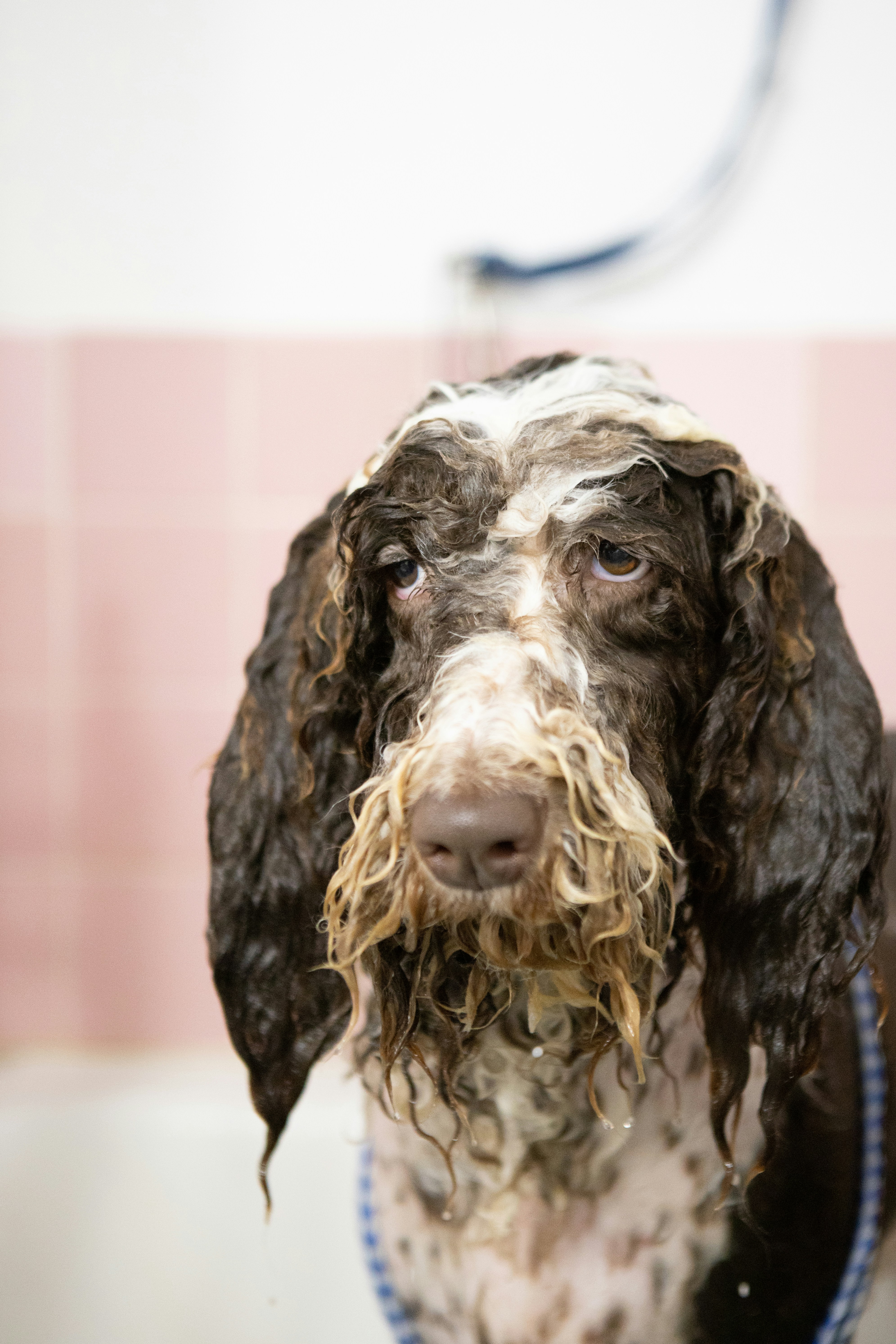
Understanding Your Dog’s Coat Type
Dog breeds exhibit a variety of coat types, each of which plays a crucial role in determining their bathing frequency. The primary classifications include short, medium, long, curly, and hairless coats. Understanding these types can help pet owners establish a suitable bathing schedule that promotes their dog’s health and hygiene.
Short-coated dogs, such as Beagles and Boxers, typically have a smooth outer layer that requires minimal grooming. Their coats tend to trap less dirt, which means that regular baths may not be necessary. However, when these breeds are exposed to outdoor elements, their coats can become soiled, warranting a bath every few months or as needed.
Medium-coated breeds like Labrador Retrievers have a denser fur structure that can accumulate more dirt and debris. Consequently, they may require more frequent baths, approximately every 4 to 6 weeks. These dogs also benefit from regular brushing to help distribute their natural oils, thereby fostering a healthier coat.
Long-haired breeds, including Golden Retrievers and Shih Tzus, often require a different approach. Their luxurious coats can trap dirt and oils more easily, necessitating baths roughly every three weeks. Additionally, routine grooming is vital for these breeds to prevent matting and to keep their coats looking pristine.
Curly-coated dogs, such as Poodles, have unique bathing requirements due to their curly fur. This coat type can hold onto moisture and dirt, which means that regular baths, typically every 3 to 4 weeks, are essential to maintain cleanliness and skin health. Frequent grooming is also important to avoid tangles and mats.
Lastly, hairless breeds, such as the Chinese Crested, have specific bathing needs as well. While they lack traditional fur, their skin can accumulate oils and dirt, requiring baths every 1 to 2 weeks to maintain a healthy complexion. By recognizing and understanding these varying coat types, dog owners can establish an effective bathing routine that suits their pet’s individual needs.
The Impact of Breed on Bathing Frequency
The bathing frequency of a dog is significantly influenced by its breed as well as the specific characteristics inherent to that breed. Larger breeds, such as Golden Retrievers and Labradors, often engage in outdoor activities and are more susceptible to dirt and environmental debris. These breeds may require more frequent baths, particularly after hiking, swimming, or playtime in muddy areas. A bi-weekly bathing regimen is generally recommended for these breeds, ensuring their coats remain clean while preventing skin issues that can arise from excessive dirt and oils.
In contrast, smaller or toy breeds, including Chihuahuas and Pomeranians, typically have different grooming needs, and their smaller size often allows them to stay cleaner. These breeds may only need a bath every three to four weeks unless they become particularly dirty or smelly. Their shorter coats and lesser exposure to outdoor elements contribute to a reduced frequency of bathing, allowing their natural oils to maintain skin health without excessive washing.
Specific breeds also present unique challenges in grooming and bathing frequency. Bulldogs, for instance, although they have shorter coats, are notorious for their skin folds, which require special attention. Regular baths and cleaning of their skin folds are necessary to prevent infections, with a monthly bath recommended for these breeds. Meanwhile, Poodles, known for their curly coats, require more frequent grooming and bathing to prevent matting, typically every four to six weeks, while also emphasizing the importance of coat care through regular brushing.
Ultimately, understanding the specific needs related to bathing frequency for different dog breeds is essential. Each breed’s unique characteristics dictate a suitable bathing regimen that promotes not only cleanliness but also overall health and well-being.
Seasonal Considerations and Lifestyle Factors
The frequency at which a dog should be bathed is significantly influenced by seasonal changes and the specific lifestyle of both the pet and its owner. As seasons shift, so too do the outdoor activities dogs engage in, and this can subsequently impact their bathing needs. For instance, during warmer months, dogs often spend extended periods outdoors, engaging in activities such as swimming, hiking, or playing in the park. Such exposure to dirt, pollen, and even water can result in increased necessity for baths to maintain skin and coat health. Regular bathing during these active seasons helps remove debris and prevent skin irritations that might arise from prolonged exposure to various outdoor elements.
In contrast, the winter months may see a decline in outdoor activities. Dogs might be less exposed to dirt and allergens, which can lead to a reduced bathing frequency. However, owners should be mindful that winter also brings dry air, which can affect the dog’s skin condition. In such cases, opting for occasional baths with moisturizing shampoo can help alleviate dryness while still adhering to a less frequent bathing schedule. If a dog is predominantly housed indoors during the winter, their coats may collect less dirt, further supporting a limited bathing routine.
Additionally, an owner’s lifestyle significantly shapes a dog’s bathing schedule. Pet owners who enjoy outdoor activities and spend ample time with their dogs will likely notice the need for more frequent baths, especially during summer. Meanwhile, urban dwellers with limited outdoor access might find their pets needing fewer baths. This adaptability in grooming practices ensures that a dog’s hygiene needs are met while promoting overall skin and coat health.
Tips for Bathing Your Dog Effectively
Bathing your dog effectively requires attention to their individual needs, particularly based on their breed and coat type. Start by selecting the right shampoo that aligns with your dog’s specific requirements. For instance, dogs with sensitive skin benefit from hypoallergenic formulas, while those with oily coats may require a shampoo designed to control excess sebum. Always opt for products that are specifically formulated for dogs, as human shampoos can disrupt their skin’s pH balance.
Before initiating the bathing process, gather essential tools that facilitate an efficient bath. A brush that is suitable for your dog’s coat type is indispensable; it helps eliminate loose hair and prevents matting, ensuring a more thorough clean. Additionally, having quality towels on hand is crucial for drying your dog post-bath. A non-slip mat in the bathing area can also enhance your dog’s comfort and safety during the wash.
To create a positive bathing experience, consider employing techniques that soothe your pet. Speak to them in a calm voice and reward their good behavior with treats or praise throughout the process. Gradually introducing your dog to water can help alleviate any anxiety associated with baths. For dogs that are particularly resistant, incorporating play and water in a less formal setting, like a kiddie pool, may foster a more enjoyable attitude toward baths.
Beyond sticking to a regular bathing schedule, it is essential to observe signs that indicate your dog may need an additional bath. These signs can include an unpleasant odor, excessive scratching, or a change in their coat’s appearance. Regular grooming can also offer insights into their hygiene needs. By following these tips, you can ensure that your dog’s bathing experience is not only effective but also enjoyable.
