
 Written by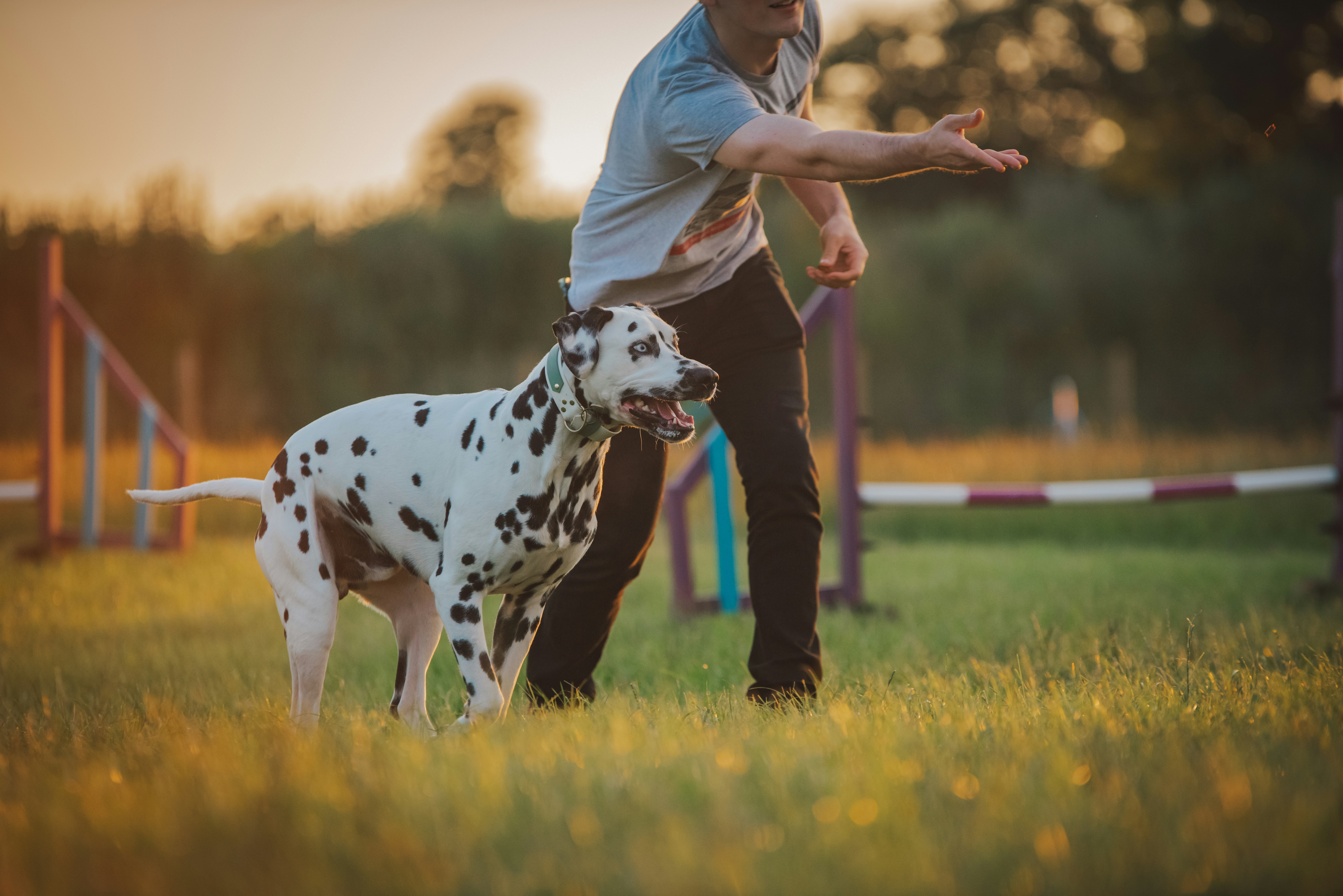
Understanding Dog Breeds and Their Exercise Needs
When considering the exercise requirements of dogs, it is essential to recognize the significant influence that breed size has on their activity levels. Generally, dog breeds are categorized into three primary size brackets: small, medium, and large. Each category exhibits distinct exercise needs influenced by various factors including energy levels, metabolism, and overall health.
Small dog breeds, such as Chihuahuas, Pomeranians, and Dachshunds, may appear to have lower exercise needs due to their size. However, it is crucial to note that many smaller breeds possess high energy levels. These breeds often thrive on short but frequent walks, interactive play sessions, and mental stimulation. While their exercise routine may be less intense, the frequency of walks and play should not be underestimated. A well-rounded exercise regimen can help mitigate behavioral issues and keep them physically fit.
Medium-sized breeds like Beagles, Bulldogs, and Border Collies find themselves at a midpoint in terms of exercise needs. They typically require more substantial workouts than smaller breeds, often benefiting from longer walks, runs, and engaging activities such as agility training or fetch. These breeds have been developed to fulfill various roles, including hunting and herding, motivating their need for regular physical exercise to stay fit and healthy.
On the other hand, larger breeds, including Labrador Retrievers, German Shepherds, and Great Danes, generally demand more vigorous forms of exercise to support their size and muscular structure. Regular aerobic activities, such as running, swimming, or playing fetch, are vital for maintaining their physical health and preventing obesity. Larger breeds require ample space and time for exercise, along with opportunities for mental challenges, to prevent boredom and destructive behaviors.
Understanding these variations in exercise needs by breed size is instrumental for pet owners in providing suitable exercise regimens, ultimately enhancing their dog’s quality of life.
High-Energy vs. Low-Energy Breeds: A Comparative Analysis
Understanding the exercise requirements of dogs is crucial for their health and well-being, particularly when considering the vast differences between high-energy and low-energy breeds. High-energy breeds, such as Border Collies and Retrievers, are known for their intense drive and activity levels. These dogs typically require extensive daily exercise routines that may include multiple runs, interactive play sessions, and mental challenges through training. For instance, a Border Collie often excels in agility sports and herding tasks, indicating a need for both physical activity and mental stimulation to keep these dogs happy and healthy.
On the other end of the spectrum are low-energy breeds like Bulldogs and Basset Hounds. While these dogs still benefit from exercise, their needs are considerably lower. A moderate daily walk combined with playtime is generally sufficient for keeping them physically fit. Low-energy dogs tend to be more relaxed and enjoy leisurely strolls rather than vigorous running. Bulldogs, for instance, are known for their laid-back nature and may prefer short walks followed by quality time indoors, emphasizing the importance of adapting exercise to match their temperament.
It is essential for pet owners to recognize that the exercise needs of dogs extend beyond mere physical activity. Mental stimulation is vital, particularly for high-energy breeds, as it aids in reducing behavioral issues stemming from boredom. Thus, incorporating activities like puzzle toys, obedience training, and scent games into exercise routines can significantly enhance a dog’s happiness and well-being. By understanding the distinct requirements of high-energy and low-energy breeds, pet owners can tailor exercise plans that cater to their dog’s specific needs, helping ensure a fulfilled and balanced life.
Age and Health Considerations in Dog Exercise Routines
The exercise requirements of dogs are significantly influenced by their age and overall health condition. Each life stage presents unique needs and capabilities that pet owners must consider to ensure their dogs remain healthy and happy. For instance, puppies, which are in the critical developmental phase of their lives, require socialization and exposure to various environments. Gradual introductions to exercise are essential. Initially, short walks can help them develop physical skills and confidence. As they grow, exercise sessions can increase in duration and intensity, carefully monitored to avoid overwhelming their still-maturing bodies.
Adult dogs, typically ranging from 1 to 7 years old, need a balanced exercise routine to maintain fitness and health. The exercise duration and type may vary depending on their breed, size, and individual energy levels. Regular physical activity not only supports cardiovascular health but also bolsters mental stimulation through interactive games and training exercises. Engaging adult dogs in various activities like fetching, agility training, or swimming can help preserve their overall well-being and stave off obesity, which is a common concern if exercise routines are insufficient.
As dogs transition into their senior years, their exercise needs evolve once again. Senior dogs may experience age-related health issues, such as arthritis or decreased mobility, necessitating gentle and low-impact activities. Shorter, more frequent walks along with moderate play sessions can prevent stiffness without overexerting them. Moreover, it’s crucial to monitor any signs of discomfort during exercise, adjusting routines as needed. Health conditions like obesity or joint issues further underscore the need for tailored exercise plans. Consulting with a veterinarian can provide invaluable guidance in these cases, ensuring that any exercise routine supports the dog’s health, rather than hindering it.
Creating a Tailored Exercise Plan for Your Dog
Designing a tailored exercise plan for your dog involves a comprehensive understanding of its breed, energy level, age, and health status. Each breed has unique exercise needs, meaning that a high-energy breed like a Border Collie requires far more activity than a low-energy breed such as a Bulldog. Assessing your dog’s energy levels can help gauge the quantity and type of exercise it should engage in daily.
Start by setting attainable exercise goals. It’s essential to realistically assess how much activity your dog can handle based on its age and physical condition. For a young, vibrant dog, this might mean bundling up walks, runs, and playtime into a structured routine. Conversely, older dogs might benefit from shorter walks and gentler activities. Monitor your dog’s enthusiasm and energy levels during exercises to adapt the plan accordingly.
When creating the exercise schedule, consider incorporating a variety of activities. Daily walks provide a critical foundation, but mixing in playtime, training sessions, and interactive games keeps things interesting and mentally stimulating. Activities like fetch or agility training can enhance your dog’s physical prowess while also providing a stimulating challenge. Remember to factor in weather conditions and adjust exercise plans to ensure your dog’s safety. On hot days, for instance, early morning or late evening walks can prevent overheating.
Regular exercise is paramount for your dog’s overall well-being. Engaging in physical activity not only helps manage weight, but it also fosters improvements in mental health by reducing anxiety and destructive behaviors. A well-rounded exercise plan significantly contributes to a happy and healthy pet, ensuring that both you and your dog enjoy your time together.
