
 Written by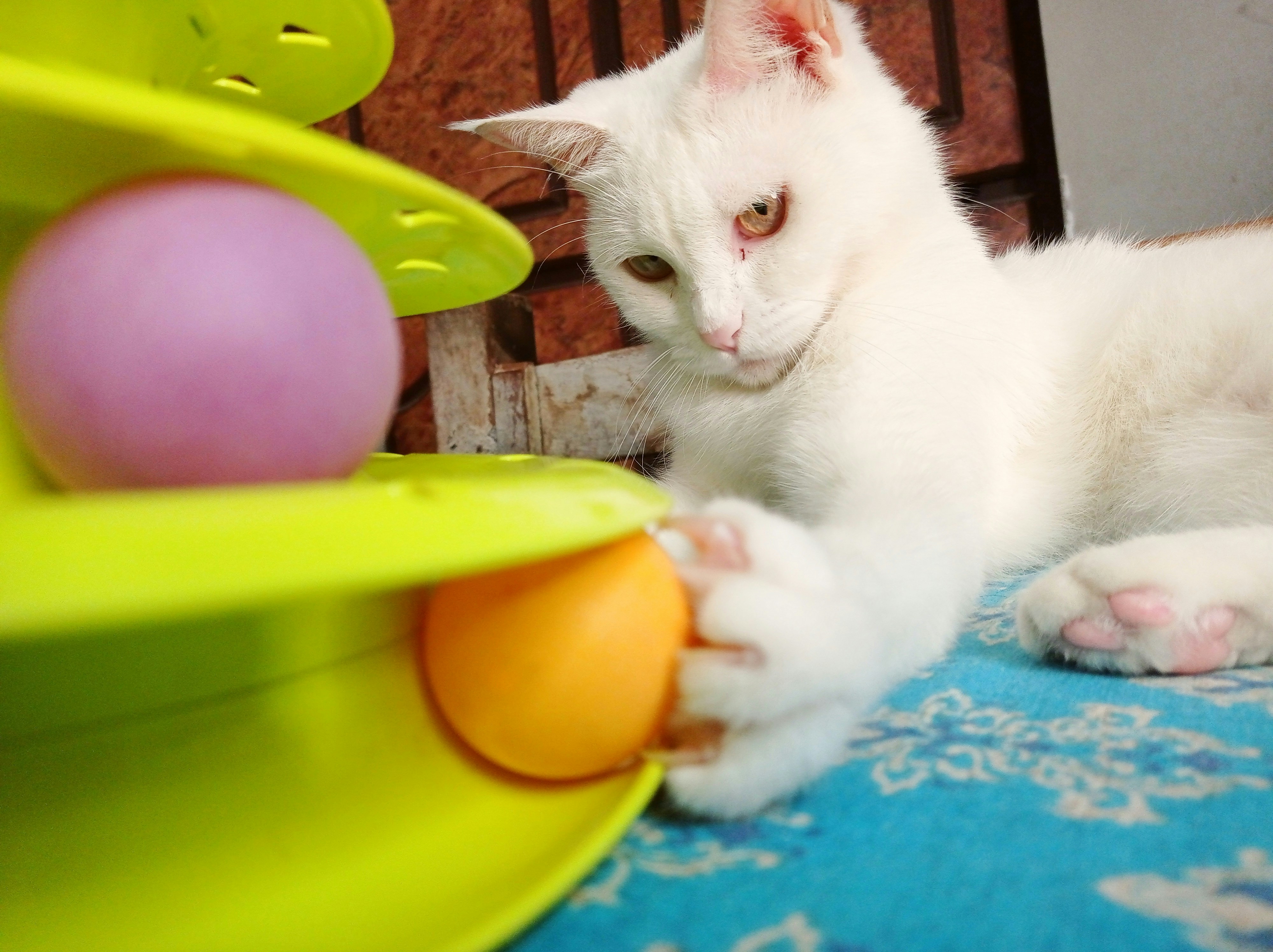
Understanding Mental Enrichment for Indoor Cats
Mental enrichment for indoor cats encompasses various activities and stimuli designed to engage their natural instincts and enhance their overall well-being. Unlike their outdoor counterparts, indoor cats often face limitations that prevent them from actively participating in behaviors that are instinctual to their species. Key instincts such as hunting, exploring, and climbing are vital parts of a cat’s nature. When these instincts are suppressed due to a sedentary indoor lifestyle, it can lead to significant consequences on their mental health.
The significance of mental enrichment lies in its ability to mimic the challenges and complexities that cats would naturally encounter in the wild. Engaging toys, interactive play sessions, and environmental modifications can stimulate their senses and encourage natural behaviors. By providing such mental stimulation, cat owners can promote a happier and healthier indoor environment. An enriched environment is crucial as it opens avenues for physical activity and cognitive engagement, both of which are essential for a feline’s mental health.
Failure to address mental boredom in indoor cats can result in a range of behavioral issues. Common signs of mental deprivation may include aggression, anxiety, and lethargy. These issues can stem from frustration due to unfulfilled instinctual needs. Moreover, bored cats may resort to destructive behaviors as a way of expressing their dissatisfaction. Providing appropriate mental enrichment is not merely a luxury but a necessity for cultivating a well-rounded companion.
Thus, understanding and implementing mental enrichment activities is essential for cat owners aiming to enhance their pets’ quality of life. By recognizing the importance of catering to their mental needs, one can foster a balanced, engaged, and ultimately happier feline companion.
Fun and Engaging Toy Ideas for Indoor Cats
Creating an enriching environment for indoor cats is essential to cater to their natural hunting instincts and provide mental stimulation. A variety of engaging toy options can help achieve this, ensuring that your feline friend remains active and entertained. One popular choice is interactive puzzle feeders, which not only serve as a source of food but also challenge cats mentally. These feeders require cats to manipulate components to access treats or kibble, stimulating problem-solving skills while slowing down their eating.
Additionally, feather wands offer another dynamic play option that taps into a cat’s natural predatory behavior. These toys mimic the motions of birds, encouraging your cat to pounce and leap as they engage in their instinctual chase. Feather wands come in various designs, making it easy to find one that suits your cat’s preferences. Pairing the wand with dedicated playtime can significantly enhance the bond between you and your pet while providing necessary exercise.
Laser pointers are yet another effective tool to engage indoor cats. The unpredictable movement of a laser dot encourages cats to run and chase, providing an excellent outlet for their energy. However, it is crucial to ensure that laser play is complemented with a tangible reward, such as a physical toy, to avoid frustration associated with never capturing the elusive dot.
When selecting toys, it is essential to consider your cat’s age, play style, and safety. Kittens may benefit from softer, smaller toys that are easy to handle, while adult cats might enjoy more complex interactive options. Always monitor your cat during play to ensure they do not ingest small parts or engage with unsafe items. By incorporating a diverse range of toys within your indoor cat’s environment, you can foster their mental and physical well-being, ultimately enhancing their quality of life.
DIY Enrichment Hacks to Keep Your Cat’s Mind Sharp
Creating a stimulating environment for your indoor cat is crucial for their mental health. Implementing DIY enrichment projects can be both fun and fulfilling. One simple yet effective idea is to build a cardboard box maze. Gather a few boxes and cut openings in various sizes, allowing your cat to navigate through them. Ensure the maze is stable and safe by securing the boxes in place. You can even add treats at the end of the maze to encourage exploration, engaging your feline friend’s problem-solving skills.
Another option is to craft treat-dispensing toys using common household items. For instance, an empty plastic bottle can be transformed into a toy. Simply poke a few holes in the sides and fill the bottle with small treats or dry food. Your cat will enjoy batting the bottle around to release the tasty rewards. Ensure the bottle is clean and free of sharp edges to avoid any injuries. This activity stimulates your cat’s instincts while also providing a tasty incentive to engage with the toy.
Furthermore, setting up sensory experiences can greatly increase mental stimulation. You might consider incorporating safe plants, such as catnip or wheatgrass, into your cat’s environment. These plants not only serve as a treat but also provide an intriguing sensory experience. Additionally, you can use scents, such as lavender or chamomile, to create a soothing and calming atmosphere, engaging your cat’s sense of smell. Always confirm that any plants or scents used are safe for feline companions to avoid health risks.
These DIY enrichment hacks are just a starting point. Encourage creativity while ensuring safety remains a priority in all materials used for these projects. By providing various stimulation methods, you can enhance your cat’s environment, leading to a happier and healthier indoor lifestyle.
Building a Routine for Daily Mental Stimulation
Incorporating mental enrichment into a daily routine for indoor cats is essential for their overall well-being. Consistent playtime not only keeps cats physically active but also engages their minds, preventing boredom and potential behavioral issues. To establish an effective routine, owners should designate specific times each day for play and enrichment activities. This consistency helps create a sense of security for cats, and they will look forward to these interactive moments.
One effective strategy is to schedule multiple short play sessions throughout the day instead of one long session. Cats are naturally hunters, and brief yet frequent bursts of activity can satisfy their instincts. A 10 to 15-minute play session can be incredibly stimulating, allowing cats to expend energy and sharpen their hunting skills. Additionally, varying the times of day the sessions occur can keep cats engaged, as they will never know when their owner might initiate the next playtime.
Rotating toys is another practical tip when aiming for daily mental stimulation. Cats can quickly lose interest in the same toys, so by frequently swapping out the toys available, owners can maintain novelty and excitement. Furthermore, paying close attention to a cat’s individual preferences will help tailor activities to their interests. Some cats may enjoy feather wands, while others are captivated by laser pointers or interactive puzzles. Observing and adapting to what excites them the most enhances the play experience.
Engaging with indoor cats through training or interactive play further strengthens the bond between pet and owner. Simple commands or tricks can be taught using positive reinforcement, which not only challenges their minds but also reinforces trust. By participating in these activities, owners foster an enriching environment that contributes significantly to their cat’s happiness and mental health.
