
 Written by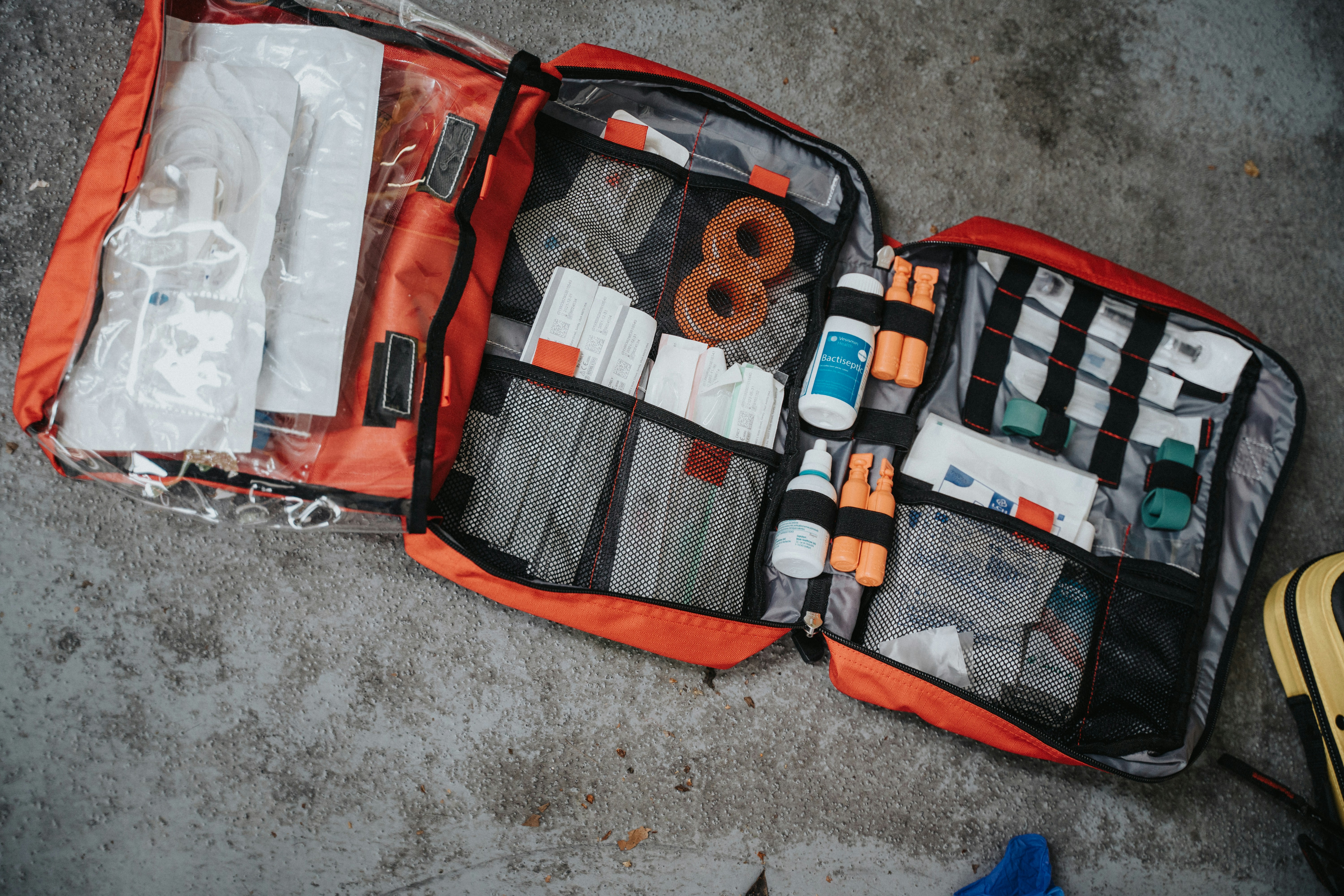
Why You Need a Pet First-Aid Kit
Having a pet first-aid kit is an essential component of responsible pet ownership. Just as humans can encounter unexpected emergencies, pets are susceptible to accidents, injuries, and sudden illnesses. Whether it’s a minor mishap like a cut paw or a more serious situation such as an allergic reaction, being prepared can be the difference between a manageable situation and a potentially dire outcome. Accidents can happen at any time and without warning; thus, a fully equipped first-aid kit becomes invaluable during these moments of crisis.
Consider scenarios where a pet may require urgent medical attention. For instance, your dog might accidentally ingest a toxic substance during a walk, or your cat may sustain an injury while playing outdoors. In such instances, immediate access to appropriate supplies can help manage the situation before you reach a veterinarian. Common items like antiseptic wipes, gauze pads, and bandages become vital tools that aid in providing initial treatment, stabilizing your pet until professional help is available.
Additionally, the emotional impact of knowing that you are well-equipped to handle emergencies can offer peace of mind to pet owners. This sense of preparedness fosters confidence, allowing you to react effectively in high-stress situations, ultimately benefiting the well-being of your furry companions. Creating a pet first-aid kit tailored for your dogs and cats not only enhances their safety but also strengthens the bond between you and your pets, as it reflects your commitment to their health and happiness.
By taking the initiative to compile a comprehensive first-aid kit, pet owners demonstrate a proactive approach to safeguarding their pets’ health. Such measures are essential for ensuring they remain safe and protected from unforeseen circumstances, allowing for a more confident and responsible pet ownership experience.
Essential Items for a Dog First-Aid Kit
When preparing a first-aid kit specifically for your dog, it is crucial to include a variety of essential items that can assist in addressing common health issues and injuries. Here is a comprehensive checklist of must-have items:
1. Adhesive Bandages: These are vital for covering minor cuts or abrasions on your dog’s skin. Make sure to have different sizes to accommodate various wounds.
2. Gauze Pads: These pads are useful for dressing wounds. They can be applied to any cut or scrape to prevent infection while allowing the wound to breathe.
3. Antiseptic Solution: A pet-safe antiseptic is necessary for cleaning wounds. Solutions designed specifically for dogs will help reduce the risk of infection.
4. Scissors: A sturdy pair of blunt-tipped scissors is helpful for cutting tape, gauze, or clothing in an emergency. Ensure that they are safe to use around your pet.
5. Tweezers: Tweezers are essential for removing splinters, ticks, or other foreign objects that may get lodged in your dog’s skin. Ensure they are fine-tipped for precision.
6. Medical Tape: This tape is ideal for securing bandages or gauze in place. Choose hypoallergenic options to avoid skin irritation.
7. Cold Pack: A non-toxic cold pack can help reduce swelling or pain from injuries. It is beneficial for treating sprains or strains.
8. Medications: Keep an assortment of veterinarian-approved medications, such as antihistamines or anti-inflammatory drugs, based on your dog’s health history.
Every dog has unique health needs, so it is essential to customize your first-aid kit accordingly. Regularly check the kit to replace expired items and ensure you have adequate supplies for potential emergencies. By being well-prepared, you can effectively provide first aid and support your dog’s recovery in an unexpected situation.
Essential Items for a Cat First-Aid Kit
When preparing a first-aid kit specifically for cats, it is crucial to consider their unique behavioral traits and medical needs. Cats are often more sensitive to stress than dogs, making it vital to include items that cater to their particular circumstances. Here are several essential supplies that should be part of every cat first-aid kit:
First and foremost, a digital thermometer is an invaluable tool for monitoring your cat’s temperature during emergencies. The normal temperature range for cats is between 100.5°F and 102.5°F. Knowing how to take a temperature accurately can provide critical information to a veterinarian.
Additionally, including a pair of scissors with rounded tips is prudent for safely cutting bandages or tape without risking injury to your cat. Bandaging supplies are also essential; sterile gauze pads and adhesive tape can be used to control bleeding or protect wounds. It is essential to ensure that any bandages do not constrict blood flow.
Another key item is antiseptic wipes or a saline solution to clean minor wounds, ensuring they stay free of infection. Cats’ fur can trap dirt and debris, making wound care particularly critical. A cat-first-aid ointment that is safe for feline use can also be beneficial for small abrasions or bites.
In the event of allergic reactions or unexpected insect bites, having antihistamines approved by a veterinarian can be lifesaving. Furthermore, a cat muzzle should be included as a precautionary measure; this helps to prevent bites when a distressed cat may feel threatened during treatment.
Reflecting on your cat’s lifestyle is vital when assembling your first-aid kit. If your feline friend has specific health conditions or is of advanced age, consider integrating prescribed medications or specialized supplies to address their unique needs. By being prepared with these essential items, you are better equipped to handle emergencies and ensure your cat’s well-being.
Additional Considerations and Maintenance of Your First-Aid Kit
Maintaining a well-stocked pet first-aid kit is essential for ensuring the safety and health of your dogs and cats. Regular checks for expired items should be a routine part of your pet care regimen. Many supplies in your kit, such as medications and antiseptics, have limited shelf lives, and using expired items could compromise your pet’s health. It is advisable to conduct a thorough inventory of your first-aid kit every six months. During these checks, replace any expired supplies and review the overall condition of items like bandages and applicators.
Updating your first-aid kit after each use is equally important. Any supplies that have been utilized should be promptly replaced to ensure that the kit remains ready for unexpected emergencies. Keeping a log of what was used and when can help in tracking which items need regular replenishment, making inventory checks more efficient.
Storing your pet first-aid kit in an easily accessible location is crucial. The kit should be kept in a place where all family members can quickly locate it in case of an emergency. Additionally, consider personalizing the kit based on your pet’s size, breed, and lifestyle. For example, if your dog enjoys hiking, including specialized items such as tick removal tools and splint materials is advisable. On the other hand, if you have a cat that frequently experiences allergies, incorporating antihistamines suitable for felines is important.
Furthermore, it is beneficial for pet owners to educate themselves on basic first-aid measures for pets. Online courses, books, and local workshops can provide vital knowledge that empowers pet owners to act confidently in emergencies. Familiarizing yourself with common procedures, such as how to perform CPR on pets or how to address choking incidents, can make a significant difference in emergency situations.
