
 Written by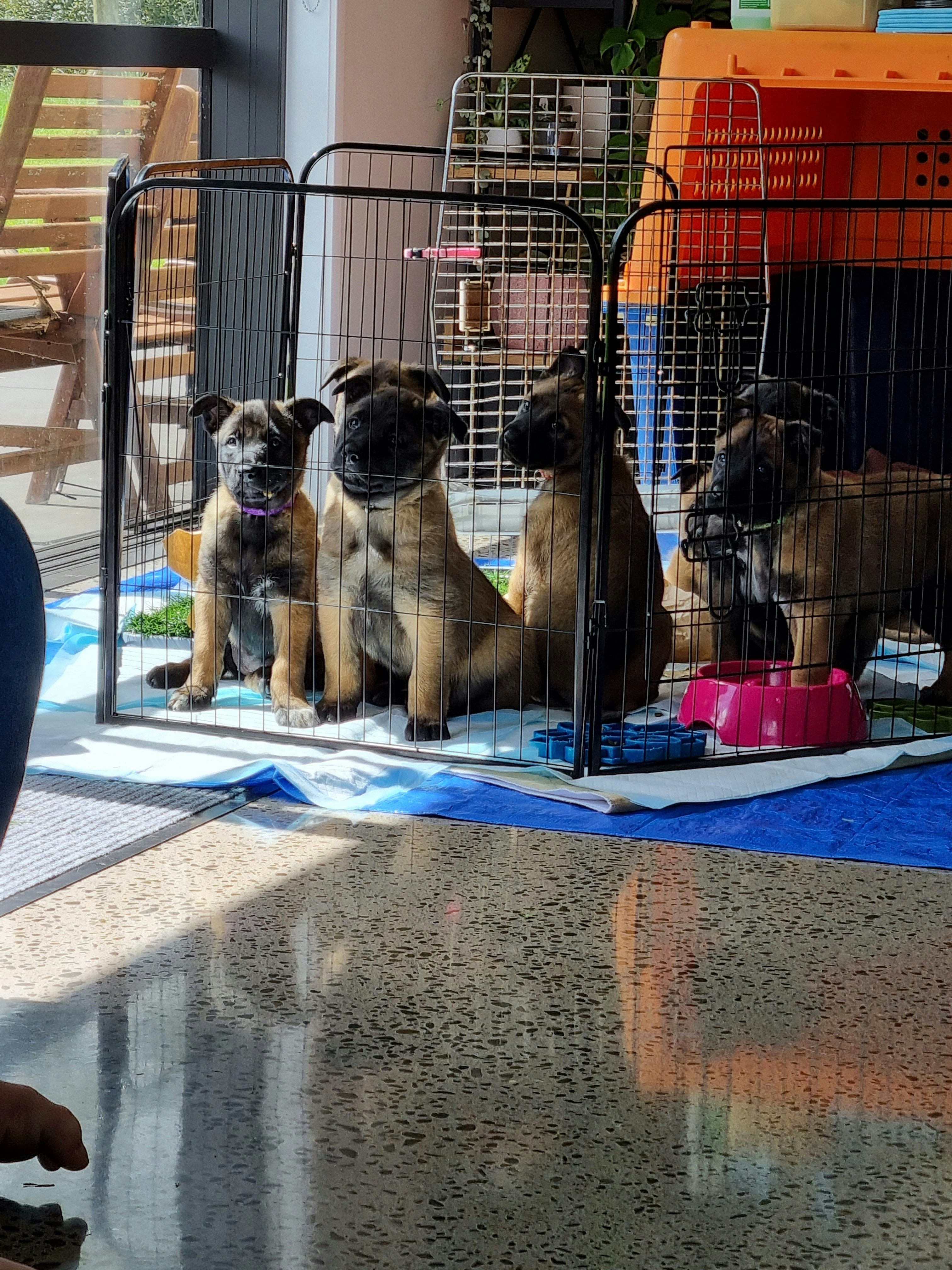
Understanding Your Puppy’s Needs
Understanding a puppy’s natural instincts and habits is essential for effective potty training. Puppies are instinctively programmed to seek a designated area for their bathroom needs, which stems from their ancestral behaviors. In the wild, dogs tend to keep their living spaces clean to avoid attracting predators. This instinct remains strong, even in domestic environments, affecting how puppies approach potty training.
Typically, puppies follow a predictable potty schedule that aligns with their age, size, and activity level. Young puppies, particularly, have limited bladder control and will need to relieve themselves frequently, often every one to two hours, especially after eating, drinking, or playing. As they grow, their capacity to hold their bladder increases. Pet owners should be observant of their puppies’ routines to gauge the optimal times for bathroom breaks. Such vigilance is particularly important in a small apartment setting where access to outdoor space can be limited.
Consistency plays a crucial role in establishing a successful potty training routine. Puppies thrive on routine, and by taking them outside at the same times daily, owners create a clear expectation for bathroom behavior. It’s important to develop a solid routine that incorporates designated potty breaks and rewards for appropriate behavior. This method not only fosters learning but also strengthens the bond between pet and owner.
In addition to establishing a routine, recognizing your puppy’s cues is vital. Common signals may include sniffing around, circling, or whining. Quick responses to these behaviors can prevent accidents and reinforce the proper training. Overall, understanding and accommodating your puppy’s needs in a small living environment will significantly facilitate the potty training process. By being mindful of their instincts, establishing a routine, and being responsive to their signals, owners can ensure effective and efficient potty training.
Choosing the Right Potty Training Method
When it comes to potty training puppies in small apartments, selecting the most suitable method is crucial to ensuring a smooth process for both the pet and the owner. Several effective training approaches can be adopted, including crate training, paper training, and outdoor potty training. Understanding the nuances of each method will aid in making an informed decision based on individual lifestyle and living conditions.
Crate training is a widely used technique where a puppy is confined to a space that reflects their instinctual den environment. This method capitalizes on a puppy’s natural tendency to avoid soiling their sleeping area, thereby encouraging them to hold their bladder until taken outside. The advantages of crate training include establishing a consistent routine and providing a sense of security for the puppy. However, this method does require that the owner is able to dedicate ample time to supervise the puppy outside the crate to facilitate outdoor potty breaks.
On the other hand, paper training involves placing absorbent pads inside the apartment to provide a designated spot for the puppy to relieve themselves. This approach can be particularly beneficial for owners who may not have immediate outdoor access or who live in high-rise buildings. The primary advantage lies in the minimized risk of accidents, although this method can prolong the transition to outdoor potty practices, as the puppy may develop a preference for indoor pads.
Outdoor potty training, while optimal for many, can pose challenges for those living in urban settings where access to green spaces is limited. A hybrid approach may be the best solution, combining methods such as crate training and paper training, allowing for flexibility in routine. This adaptability is essential for apartment dwellers who must consider their space and scheduling constraints when potty training their puppies.
Creating a Designated Potty Area
When living in a small apartment, creating a designated potty area for your puppy becomes crucial. This specified space not only ensures that your puppy understands where to relieve themselves but also helps maintain hygiene and order within your living environment. To begin establishing this area, choose a location that is easily accessible for your puppy while also convenient for you. Ideally, this space should be away from high-traffic areas and close to the door for ease of access during outings.
One effective solution for a designated potty area is the use of potty pads. These absorbent pads are specifically designed for indoor use and can be strategically placed in your chosen location. Over time, your puppy will learn to associate the pads with their potty routine. It is essential to keep the pads clean and replace them regularly to encourage your puppy to use this space consistently. Additionally, consider using dog training pads with attractant scents, which can guide your puppy to the right area and reinforce good habits.
Managing scent control is another significant factor to consider in a small apartment. To minimize lingering odors, promptly clean any messes using enzymatic cleaners designed to break down pet waste. This approach not only eliminates odors but also reduces the chances of your puppy returning to the same spot. As your puppy becomes accustomed to using the designated potty area, you may gradually introduce outdoor potty training. Transitioning to outdoor potty habits can involve taking your puppy outside shortly after they use the pad and rewarding them for successful outdoor relief. This positive reinforcement will help solidify their understanding of appropriate areas for potty breaks.
Training Techniques and Tools for Success
Effective potty training methods are essential for ensuring a smooth transition for puppies, especially in the confined spaces of small apartments. One of the most widely recommended approaches is positive reinforcement. This method encourages desired behaviors by rewarding your puppy when they successfully eliminate in the appropriate area. Treats, praise, or playtime can serve as effective incentives that motivate your puppy to repeat the desired behavior. By consistently rewarding small successes, you create a positive association with the designated potty area.
Establishing a consistent schedule is crucial in the potty training process. Puppies thrive on routine and will benefit from regular potty breaks throughout the day. Take your puppy outside first thing in the morning, after meals, and before bedtime. Additionally, you should keep an eye on them for signs that they need to relieve themselves, such as circling or sniffing around. This attentive approach helps to set clear expectations for your puppy regarding when and where to eliminate.
Using behavior management tools can further bolster your potty training efforts. Clickers are a popular tool that can mark the exact moment your puppy performs the desired behavior, paired with a reward. Similarly, training pads can serve as a transitional step when outdoor access is limited, helping puppies learn where it is appropriate to go. Over time, these aids can aid in guiding your puppy toward long-term outdoor potty habits.
When challenges arise, such as regression or anxiety, maintaining patience and encouragement is key. Puppies may experience setbacks due to changes in their environment or routine. If your puppy seems reluctant or anxious about eliminating outside, try to identify the source of discomfort and address it. Remember, consistent communication, a calm demeanor, and continued positive reinforcement will foster a trusting relationship, making the potty training journey a positive experience for both you and your puppy.
