
 Written by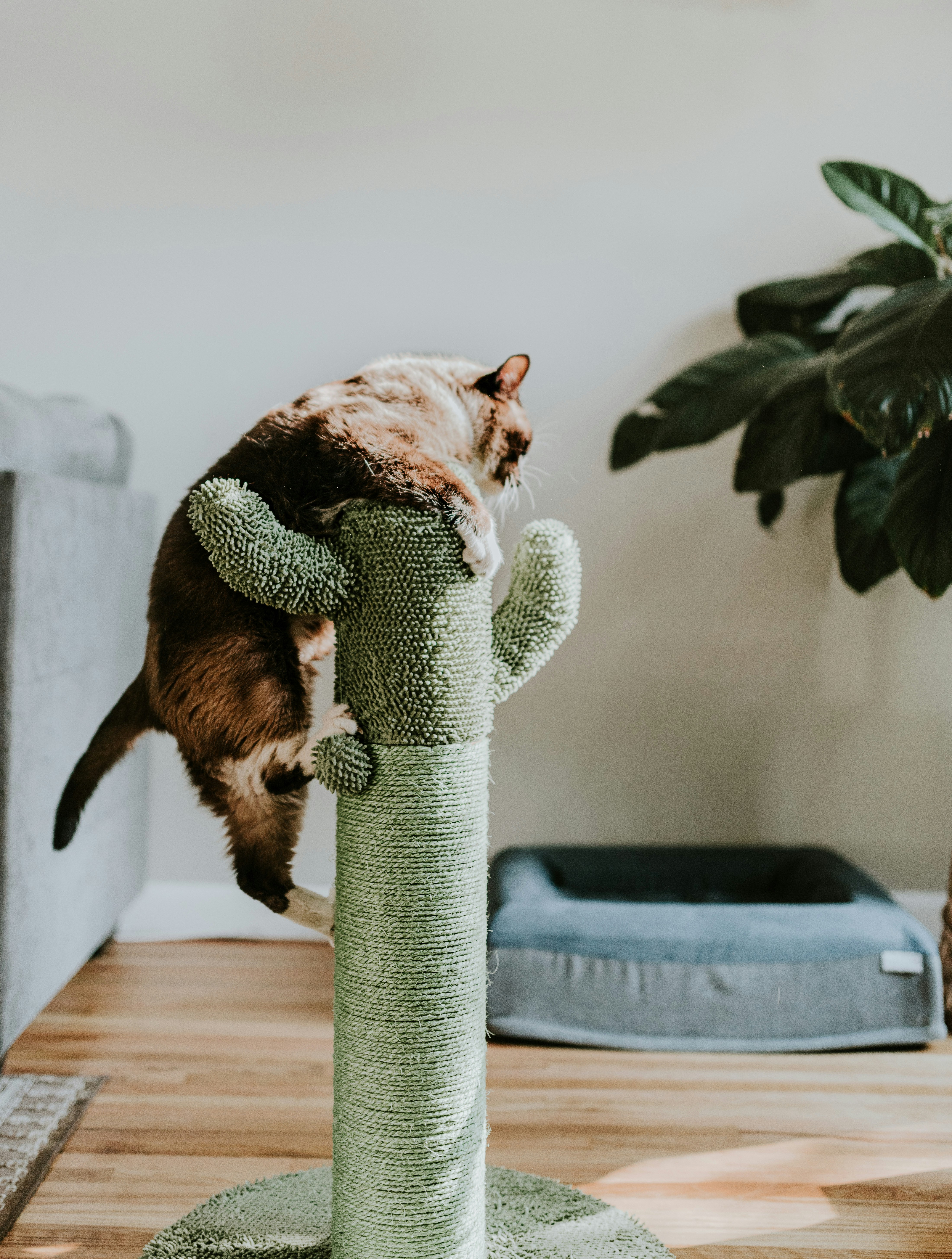
Understanding the Reasons Behind Scratching
Scratching is a natural behavior exhibited by cats, driven by various instinctual needs. One primary reason cats scratch is to sharpen their claws. This action helps remove the dead outer layer of the claw, allowing the sharper, healthier claw to emerge. Maintaining optimal claw health is essential for a cat’s well-being, and scratching provides this necessary care.
In addition to claw maintenance, scratching serves as a crucial method for marking territory. Cats possess scent glands located in their paws, and scratching not only leaves a physical mark on the surface but also deposits the cat’s scent. This behavior is particularly vital in multi-cat households, where establishing dominance and territory can lead to conflicts. By scratching, cats effectively communicate their presence and boundaries to others, ensuring that they assert their space.
Furthermore, scratching is an important way for cats to stretch their muscles. The action of scratching engages various muscle groups, promoting physical health and flexibility. It mimics the natural movement patterns that cats would engage in while hunting or climbing in the wild, thereby fulfilling their need for exercise.
Many pet owners may not realize that scratching can also be a form of stress relief for cats. Just like humans resort to activities such as tapping their fingers or pacing when anxious, cats may scratch to alleviate tension or boredom. This behavior can be exacerbated by changes in environment, such as moving to a new home or introducing new pets, making it essential for owners to monitor their cat’s emotional state.
In understanding these underlying reasons behind scratching, cat owners can shift from reactive measures to proactive solutions, creating a more harmonious living environment for both themselves and their feline companions.
Creating an Attractive Alternative: Scratching Posts and Pads
Addressing the issue of cat scratching often involves the introduction of dedicated scratching posts and pads that can effectively divert your feline’s attention from your furniture. The selection of the right type of scratching post or pad is essential in ensuring it appeals to your cat and fits seamlessly into your home environment. Various materials, such as sisal, cardboard, and carpet, are available, each offering unique textures that can cater to different feline preferences.
Sisal scratching posts are particularly popular due to their durability and the satisfying resistance they offer when cats dig their claws into them. This material mimics the texture of tree bark, making it instinctively appealing for cats that desire to scratch and maintain their claws. On the other hand, cardboard pads are lightweight and economical, providing a satisfying scratching surface that many cats find enticing. Frequently, cats may favor one material over another, so it is advisable to experiment with different types to see which your cat prefers.
When selecting a scratching post design, consider your cat’s size and scratching habits. Taller posts enable vertical scratching, which helps exercise your cat and allows them to stretch fully. Additionally, it is important to position these scratching alternatives strategically. Placing them near areas where your cat frequently scratches the furniture is vital to encouraging use. For instance, if your cat tends to scratch near the sofa, place a post or pad in that vicinity to guide their behavior towards the designated item.
By offering a variety of scratching posts and pads made from appealing materials and tailoring the placement to your cat’s preferences, you can help satisfy their natural scratching instincts while protecting your furniture from damage.
Training Your Cat: Redirecting Scratching Behavior
Redirecting your cat’s scratching behavior is a critical step in preserving your furniture while catering to your feline’s natural instincts. Scratching is a normal behavior for cats; it serves to maintain their claws, mark territory, and stretch their muscles. However, to ensure that they use appropriate surfaces, implementing effective training techniques is essential.
Positive reinforcement is one of the most effective methods for changing your cat’s behavior. By rewarding your cat with treats or affection when they use a scratching post, you create a positive association with this behavior. To encourage this habit, strategically place scratching posts in areas where your cat typically scratches. If your cat is hesitant, consider using catnip on or near the scratching post to attract their interest. This approach taps into the cat’s instinct to knead and scratch in a designated area.
In addition to rewarding good behavior, it is important to deter your cat from scratching furniture. One effective method involves applying cat deterrent sprays specifically designed to keep cats away from certain surfaces. These sprays have an unpleasant scent for cats but are generally safe for furniture. Alternatively, placing double-sided tape on furniture can serve as a physical deterrent, as the sticky texture is unappealing to claws. Over time, cats may learn to associate their scratching actions with these unpleasant experiences, prompting them to shift their focus to more acceptable surfaces.
Consistency and patience are fundamental during this training process. Establishing a routine where you regularly guide your cat to their scratching post and reward them for using it can lead to long-term success. Additionally, ensure that you remain calm and persistent, even if your cat occasionally relapses back to scratching furniture. With these actionable steps, and by creating a positive environment, cat owners can significantly reduce unwanted scratching, safeguarding their furniture while maintaining their cat’s well-being.
Maintaining Your Furniture: Protective Measures and Solutions
To safeguard your furniture from scratching and minimize damage while keeping your cat’s well-being in mind, several protective measures can be implemented. One effective approach is to utilize furniture covers. These covers serve as a barrier, shielding upholstery from your cat’s claws. Available in various materials and styles, they can be easily removed and washed, maintaining your furniture’s appearance while offering protection. Additionally, placing these covers only in areas where your cat frequently lounges can further enhance their efficacy.
Another useful solution is applying protective sprays designed to deter pets from scratching. These sprays typically contain scents that cats find unpleasant, thereby discouraging them from targeting specific furniture pieces. When choosing a protective spray, ensure it is safe for both your cat and your furniture. The application should be regular, as the scent may dissipate over time, and reapplication can reinforce the deterrent effect.
Furthermore, regular trimming of your cat’s nails plays a critical role in reducing the extent of damage caused by scratching. Keeping nails short decreases their sharpness, thus lessening harm to your furniture. Engaging in nail trimming can be a straightforward process, especially when done regularly and with proper tools. It is important to acclimate your cat to the process gradually by utilizing treats and positive reinforcement to ensure a stress-free experience.
Lastly, providing your cat with appropriate scratching alternatives is essential. Invest in high-quality scratching posts placed near the furniture to divert their attention. This creates a harmonious balance between maintaining your home environment and supporting your cat’s natural instincts. In doing so, you can foster a peaceful coexistence with your feline companion while preserving your furniture’s integrity.
