
 Written by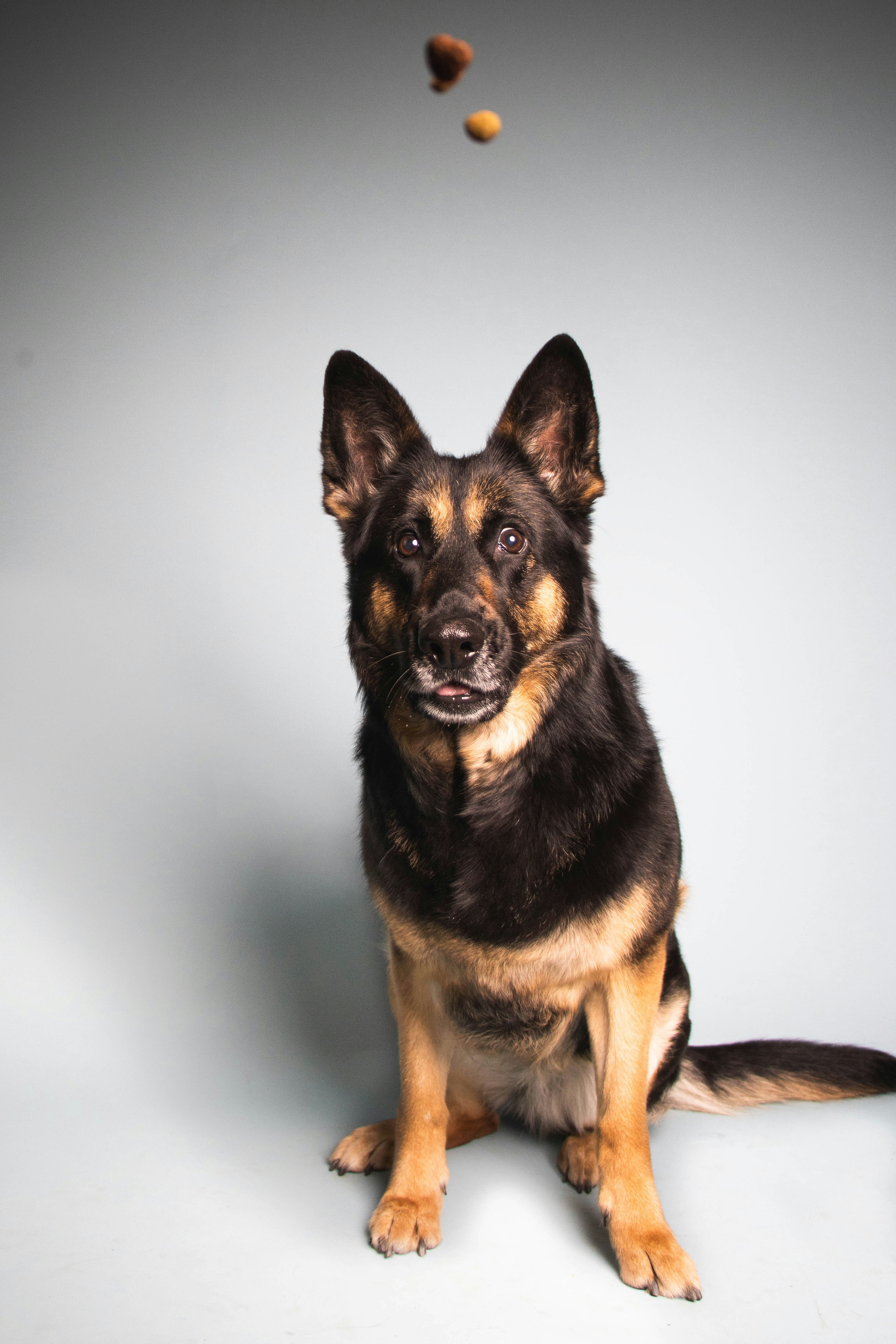
The Importance of Obedience Training
Obedience training serves as a fundamental cornerstone for all dog owners, offering a multitude of benefits that enhance the relationship between humans and their canine companions. One of the most significant advantages of obedience training is the improvement of behavior in dogs. A well-trained dog is less likely to engage in undesirable habits such as excessive barking, jumping, or destruction of household items. This not only leads to a more harmonious living environment but also reflects positively on the owner’s dedication to responsible pet ownership.
Furthermore, obedience training fosters better communication between the dog and its owner. Through consistent commands and positive reinforcement, dogs learn to understand cues and signals, thereby creating a more effective means of interaction. This clear form of communication paves the way for a smoother daily routine and can ease the frustration often experienced during training. A trained dog is not just obedient; it has adapted to the owner’s expectations, thereby reducing stress for both parties.
Safety is another crucial aspect of obedience training. A well-trained dog is less likely to act impulsively, whether around other animals or in potentially dangerous situations. For instance, commands such as “stay” and “come” can prevent a dog from running into traffic or straying too far during walks. Thus, obedience training can significantly mitigate risks not only for the dog but also for people and other pets in the vicinity.
Moreover, the overall well-being of a dog is greatly enhanced through obedience training. Engaging in this process stimulates a dog’s mind and fulfills their natural need for order and purpose. As dogs learn, they experience a sense of accomplishment that boosts their confidence. Lastly, obedience training strengthens the bond between the dog and the owner, laying the foundation for a happier, more fulfilling relationship built on trust and respect.
Technique 1: Sit
The command “sit” is often regarded as one of the most fundamental and essential obedience commands that every dog should learn. Teaching your dog to sit is not only the gateway to introducing more complex commands but also a foundational skill that promotes good behavior. To effectively train your dog to respond to the “sit” command, follow these step-by-step instructions.
Begin by choosing a quiet environment free from distractions. Have some treats ready to use as positive reinforcement. Start by showing the treat to your dog, allowing them to sniff it, but do not give it immediately. Hold the treat just above their nose, which should encourage them to look up at you. As they do this, slowly move the treat back over their head, which should prompt the dog to lower their bottom into a sitting position.
As soon as your dog sits, immediately offer the treat and praise them. Use a consistent verbal cue, such as “sit,” as you perform this action. Repeat this process several times, ensuring that your dog associates the action of sitting with the reward. Patience is crucial; if your dog does not respond, try adjusting the position of the treat or patiently giving them more time to understand the instruction.
Once your dog is reliably sitting with minimal distractions, gradually increase the level of difficulty by practicing in different locations or with more distractions present. Be consistent with your commands and rewards. Common pitfalls include rushing the process, repeating the command excessively without the dog responding, or neglecting to reward successful attempts, which can lead to confusion for the dog. By focusing on consistency and patience, you will help your dog effectively learn and master the “sit” command.
Technique 2: Stay
The ‘stay’ command is one of the fundamental obedience training techniques that every dog should master. Its significance extends beyond mere obedience; it plays a crucial role in ensuring the pet’s safety and fostering self-control. Teaching your dog to stay can prevent potentially dangerous situations, such as rushing into traffic or jumping on an unsuspecting guest. This command helps cultivate a sense of discipline and patience within your pet, which is invaluable in various scenarios.
To introduce the ‘stay’ command, begin in a quiet environment with minimal distractions. Start by asking your dog to sit; once they are settled, extend your hand in front of you, palm facing forward, and clearly say “stay.” Initially, keep your training sessions short, around 5 to 10 minutes, to maintain your dog’s focus. Consistency is vital; practice this command several times a day to reinforce learning.
Upon successfully executing the command for a brief duration, applaud your dog and reward them with treats or praise. Positive reinforcement is essential as it motivates your dog to repeat the desired behavior. Over time, gradually increase the duration that your dog must stay before receiving their reward. This incremental approach will help your dog understand that staying longer leads to more significant rewards.
As your dog becomes adept at maintaining the ‘stay’ position, begin to extend the distance between you and your pet. This exercise can be challenging; hence, it’s vital to maintain a calm demeanor. If your dog breaks the ‘stay,’ gently redirect them back to the position without frustration. To mitigate distractions, practice in environments with incrementally increased stimuli, such as in a partially crowded park or around other animals.
In conclusion, the ‘stay’ command is an essential technique that enhances a dog’s safety and promotes discipline. Approaching this training methodically can ensure long-term success and a more obedient companion.
Technique 3: Come
The ‘come’ command is a fundamental obedience training technique that is essential for ensuring a dog returns reliably when called. Teaching your dog this command not only enhances safety during outdoor activities but also strengthens the bond between you and your pet. Positive reinforcement is a highly effective method for training the ‘come’ command. This approach involves rewarding your dog with treats, praise, or playtime whenever they respond correctly to the command. It’s crucial to create a positive association with the command from the outset, as this encourages your dog to return to you willingly.
To begin teaching ‘come,’ select a low-distraction environment, such as your living room or backyard. Start by calling your dog’s name followed by the command ‘come,’ using an enthusiastic tone to create excitement. When your dog approaches, immediately reward them with praise or a treat. Repeating this exercise consistently helps reinforce the behavior. Gradually, as your dog becomes more proficient, you can increase the difficulty by practicing in more distracting locations, such as parks or during walks. This helps your dog generalize the command to various environments, making them more reliable in diverse situations.
It is imperative to never punish a dog for coming back to you, regardless of the circumstances that might have led to their delay. Punishment can create anxiety around the ‘come’ command, leading to reluctance in responding to it. Instead, maintain a positive attitude and make the command a fun experience. Incorporating play during training sessions, such as using a favorite toy or engaging in a game of chase, often results in quicker learning and associations with the command. By adding an element of fun, you help ensure your dog looks forward to coming back, thereby strengthening their responsiveness to the command.
